Home › Training, Behavior & Exercise
Crate Training a French Bulldog Kindly

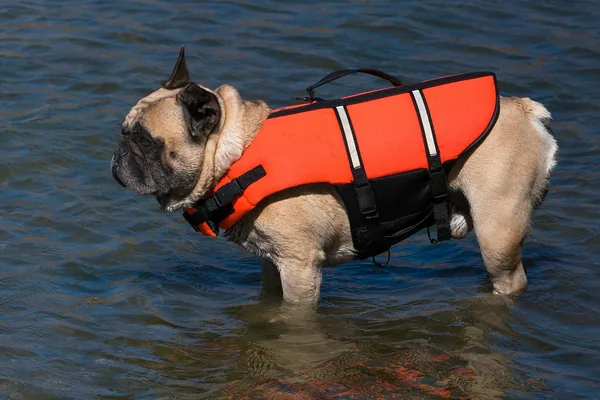
Photo: MiniLop1234 via Wikimedia Commons, CC0
🐾 Getting ready for a puppy? Try the interactive French Bulldog puppy checklist — free, no email required.
A crate can be a French Bulldog’s quiet den for sleep, travel and potty training—if you teach it kindly. Force and hot, stuffy spaces undo the plan fast, especially for a short-nosed breed.
Size for a compact adult
The AKC French Bulldog standard describes a compact, muscular dog that must not exceed 28 pounds. Pick a crate the adult can stand and turn in, then use a divider while the puppy is small so they do not potty at one end and sleep at the other.
Wire crates with good airflow are often easier to cool than solid travel boxes used indoors—still, the room temperature matters more than the brand.
Positive steps from the AKC playbook
AKC crate-training guidance emphasizes:
- Encouraging exploration with a treat trail; do not shove a scared dog inside
- Pairing the crate with meals, chews and calm praise
- Rewarding quiet settling, not release after frantic barking
- Teaching a happy cue such as “crate” before emergencies need it
- Avoiding angry “timeout” banishing that poisons the den association
Keep early door-closed sessions short. Let the dog out when calm. For puppies, watch the clock so potty needs do not turn into accidents or panic.
Heat and airflow are non-negotiable
ACVS links heat and humidity with worse airway signs. VCA heat stroke is an emergency—never leave a Frenchie crated in a hot car or poorly ventilated space.
Never crate a Frenchie in a parked car, sealed sunroom or muggy garage. Place the crate in a cool, shaded, well-ventilated spot. If breathing looks hard, open the door and cool the dog while you contact a vet. More context: heat safety.
Fitting crate time into real life
Use the crate for overnight sleep, short absences and travel rest—not as a substitute for walks, training and company. Pair crate manners with the calm first-week habits in our puppy first-week guide.
If your dog panics, injures themselves or overheats in the crate, stop and get help from your veterinarian and a credentialed trainer. Kind crate training is a skill, not a weekend ultimatum.
Frequently asked questions
What size crate does a French Bulldog need?
Choose a crate the adult dog can stand, turn and lie comfortably in. The AKC standard describes a compact dog that must not exceed 28 pounds. Many owners use a divider while house training so the bed stays just large enough. Ask your vet or trainer if you are unsure.
How do I start crate training without force?
AKC crate-training guidance says not to force a fearful dog inside. Instead, build positive associations with treats, meals and calm rewards, keep early sessions short and close the door only after the dog enters willingly.
Are crates safe for flat-faced dogs in warm rooms?
Brachycephalic dogs overheat more easily. ACVS links heat and humidity with worse airway signs, and VCA treats heat stroke as an emergency. Never leave a Frenchie crated in a hot car, poorly ventilated room or direct sun. Prioritize airflow and cool ambient temperatures.
How long can a French Bulldog stay in a crate?
Crates are for rest, travel and short supervised alone-time—not all-day confinement. Puppies need frequent potty breaks. Adults still need exercise, water access plans and time out of the crate. Ask your vet or a trainer for a schedule that fits your dog's age.
A quick note: this guide is general information from published sources, written by dog lovers, not a veterinarian. Your own vet knows your dog's history, so check with them before changing food, exercise or treatment.
Sources
Keep reading

Your French Bulldog Puppy's First Week at Home
Your French Bulldog puppy's first week at home—calm routines, fold and ear handling, heat-aware play, potty tips and first vet questions about breathing.

French Bulldog Heat Safety and Exercise: A Vet-Aware Guide
Why French Bulldogs overheat more easily, how to plan cooler exercise, heatstroke warning signs from VCA, and when to call your veterinarian.