BOAS and Breathing Problems in French Bulldogs: What Owners Should Know
Please see your vet. This guide is general education, not a diagnosis or treatment plan. If your Frenchie seems unwell, call your veterinarian. If it looks like an emergency, go to an emergency vet right away.
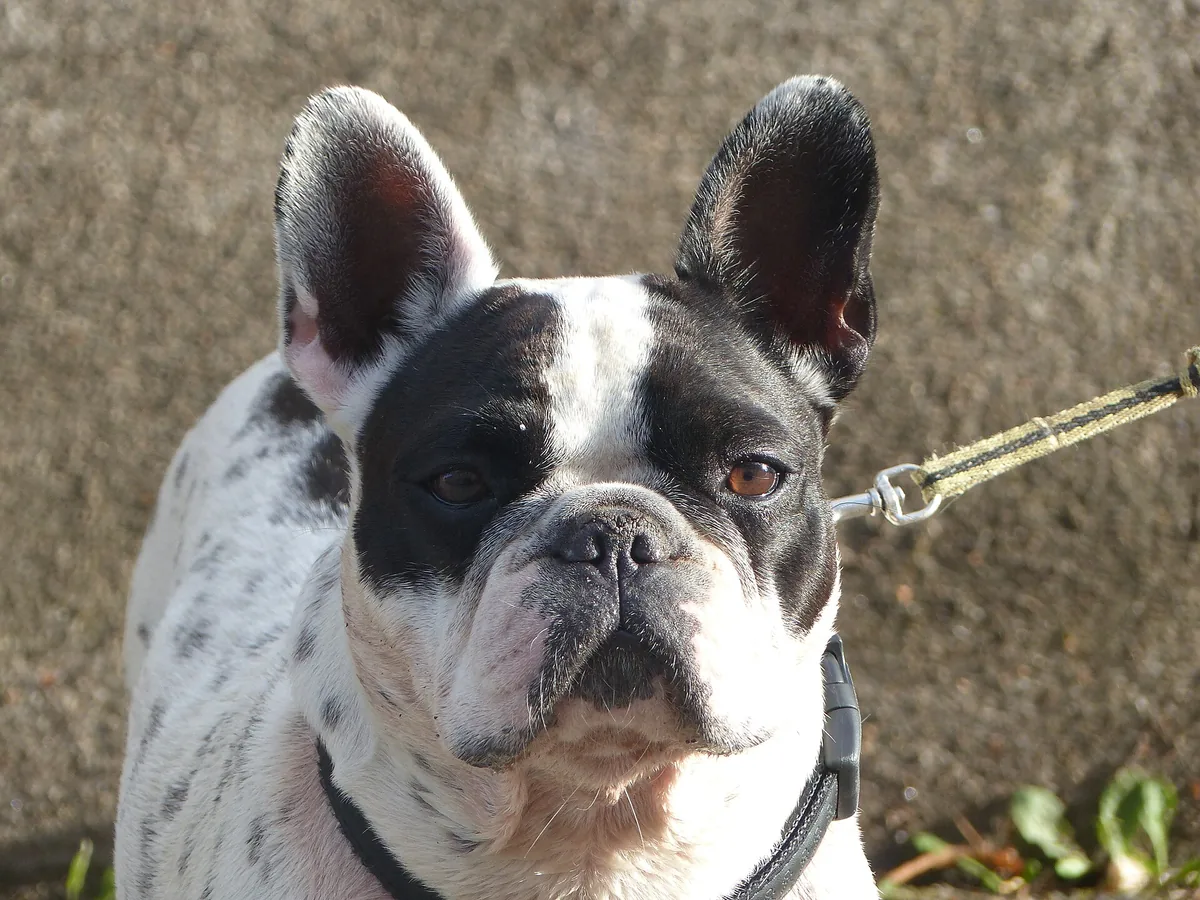
Photo: Tsaag Valren via Wikimedia Commons, CC BY-SA 4.0
French Bulldogs are a short-nosed (brachycephalic) breed, and many live with some degree of upper-airway narrowing. That does not mean every Frenchie has a crisis waiting to happen—but it does mean noisy breathing deserves a real look, not a shrug. This guide explains what veterinary sources say about BOAS, what to watch for, and when to call your veterinarian. It is general education, not a diagnosis or treatment plan.
What “brachycephalic” and BOAS mean
ACVS explains that brachycephalic means “short-headed.” Common examples include the French Bulldog, English Bulldog, Pug, Pekingese and Boston Terrier. Because these dogs have relatively short muzzles, the throat and breathing passages are frequently undersized or flattened.
ACVS uses brachycephalic syndrome for the combination of:
- Elongated soft palate — soft tissue at the back of the mouth that is long enough to interfere with airflow into the lungs
- Stenotic nares — nostrils that are narrow or collapse inward during inhalation
- Everted laryngeal saccules — tissue pulled into the airway that further blocks airflow
Some dogs may also have a narrow trachea, laryngeal collapse or other airway changes. The University of Cambridge BOAS research group studies this constellation as brachycephalic obstructive airway syndrome (BOAS) in French Bulldogs and related breeds.
What research has found in French Bulldogs
A 2015 PLOS ONE study from Cambridge-linked researchers used whole-body barometric plethysmography (a non-invasive way to measure breathing) in French Bulldogs and non-brachycephalic controls. Among other findings, the authors reported that about 60% of owners failed to recognize BOAS in dogs that graded as clinically affected on the study’s functional grading system. In other words, owners often normalize signs that clinicians consider important.
A later 2017 study looked at conformational risk factors in pugs, French Bulldogs and bulldogs. Across breeds, stenotic nostrils were associated with BOAS. In French Bulldogs, neck measurements were among the factors linked with BOAS status in the models the authors developed. The takeaway for owners is not to measure necks at home and self-diagnose—it is that structure and clinical signs both matter, and a veterinarian is the right person to interpret them.
Signs that deserve a call
According to ACVS, dogs with elongated soft palates often have a history of noisy breathing, especially on inspiration. Some retch or gag while swallowing. Exercise intolerance, blue gums or tongue (cyanosis) and occasional collapse are common, especially after over-activity, excitement, or excessive heat or humidity. Obesity aggravates the problems.
Vet tip: Difficulty breathing, collapse, or blue/pale gums are emergencies. Get veterinary care immediately—do not wait to “see if it passes.”
How veterinarians evaluate the airway
ACVS notes that stenotic nares can often be seen on physical exam, but a definitive look at the soft palate and laryngeal saccules generally requires examination under anesthesia, because brachycephalic dogs often have thick tongues that make awake visualization difficult. Your veterinarian may also recommend chest radiographs and, when needed, referral to a surgeon. Cambridge researchers have also developed objective breathing assessments used in research and breeding contexts; ask your vet what evaluation makes sense for your dog.
Treatment decisions belong with your vet
ACVS describes surgical options such as soft-palate resection (staphylectomy) and widening of stenotic nares when signs cause distress, worsen over time or risk life-threatening obstruction. Aftercare can be intensive because swelling after airway surgery can obstruct breathing. Prognosis is generally described as better in younger animals and poorer when advanced laryngeal collapse is already present.
This site does not recommend surgery, drugs or timelines for your dog. If your Frenchie has noisy breathing, heat intolerance or exercise limits, ask your primary veterinarian whether evaluation—and possibly surgical referral—is appropriate.
What owners can do while working with a vet
- Keep a healthy body condition; extra weight makes breathing harder (ACVS).
- Be careful with heat, humidity and intense excitement—see our heat safety guide.
- Avoid situations that leave a short-nosed dog without good airflow (hot cars, poorly ventilated spaces).
- Bring a short video of your dog’s breathing at rest and after a brief walk to appointments, if your vet finds that helpful.
When to call your veterinarian
Call your vet promptly for worsening noisy breathing, gagging, reduced exercise tolerance, restless sleep, or breathing that seems harder than usual for your dog. Seek emergency care for collapse, extreme distress, or blue/pale gums. This guide cannot examine your dog—only a veterinarian can.
Frequently asked questions
What is BOAS in French Bulldogs?
BOAS stands for brachycephalic obstructive airway syndrome. The American College of Veterinary Surgeons describes brachycephalic syndrome as a combination of elongated soft palate, stenotic (narrow) nostrils and everted laryngeal saccules that are commonly seen in short-headed breeds such as the French Bulldog. Ask your vet to evaluate your own dog.
Is snoring normal for a French Bulldog?
Noisy breathing is common in brachycephalic breeds, but it is not automatically "just how Frenchies are." Cambridge BOAS researchers have shown that owners often under-recognize clinically important breathing problems. If your dog snores, tires easily, or struggles in heat, ask your veterinarian.
What signs mean I should call the vet?
ACVS lists noisy breathing, gagging while swallowing, exercise intolerance, blue gums or tongue, and collapse—especially after activity, excitement, heat or humidity—as concerning signs. Difficulty breathing, collapse or blue gums are emergencies. Contact your vet or an emergency clinic right away.
Can surgery help?
ACVS discusses surgical options such as soft-palate resection and correction of stenotic nares when signs cause distress or risk. Surgery decisions belong to a veterinarian (often a surgeon). This guide does not recommend procedures or predict outcomes for your dog.
Does weight affect BOAS?
Yes. ACVS notes that obesity aggravates brachycephalic airway problems, and Cambridge-linked research has associated higher body condition with greater BOAS risk in some brachycephalic breeds. Keeping a healthy body condition is one topic to discuss with your vet.
A quick note: this guide is general information from published sources, written by dog lovers, not a veterinarian. Your own vet knows your dog's history, so check with them before changing food, exercise or treatment.
Sources
Keep reading
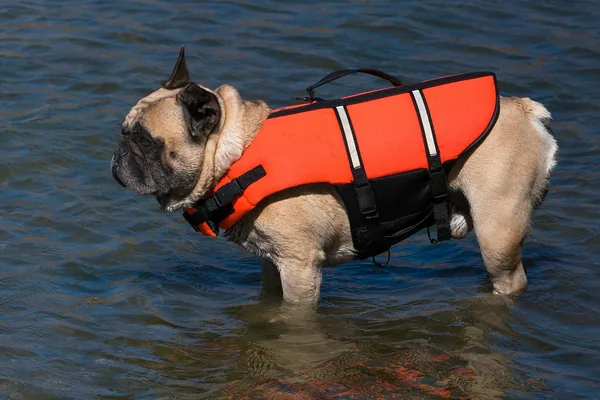
French Bulldog Heat Safety and Exercise: A Vet-Aware Guide
Why French Bulldogs overheat more easily, how to plan cooler exercise, heatstroke warning signs from VCA, and when to call your veterinarian.
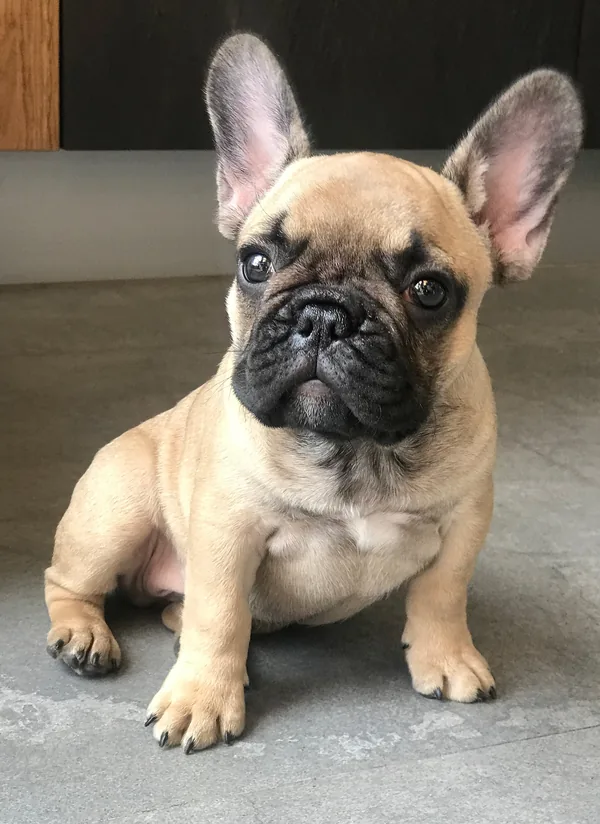

French Bulldog Weight by Age: Adult Size and Healthy Growth
How big do French Bulldogs get? Adult weight from the AKC breed standard, plus how to track a puppy's growth with your vet instead of chasing a monthly chart.