French Bulldog Weight by Age: Adult Size and Healthy Growth

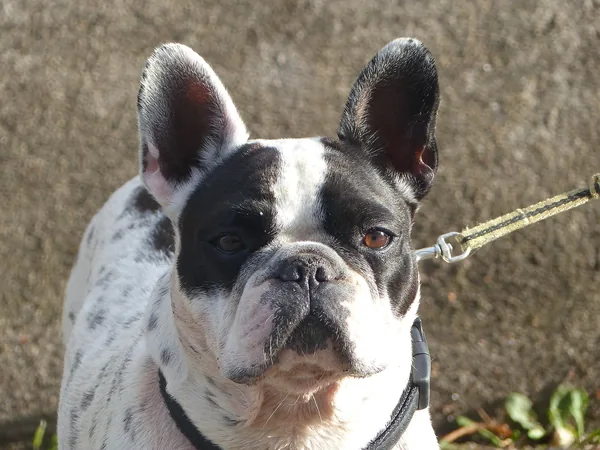
Photo: Maria Tsveshko via Wikimedia Commons, CC BY-SA 4.0
“How much should my French Bulldog weigh?” is one of the most common questions we see. The honest answer has two parts: the breed standard gives an adult size limit, and your vet tracks your own puppy’s growth. Here is how the two fit together, and why we do not print a month-by-month puppy weight chart.
What the breed standard says about adult weight
The AKC Official Standard of the French Bulldog is clear: weight not to exceed 28 pounds, and over 28 pounds is a disqualification. The AKC breed page summarizes the same compact, muscular companion dog.
That number describes the show standard. It is not a feeding goal, and it does not mean every pet Frenchie should weigh exactly 28 pounds—or that every dog under 28 pounds is automatically lean. A pet with a heavier or lighter frame can still be healthy, and a dog inside the limit can still carry too much body fat for its build.
Why we do not give a monthly puppy-weight table
Many websites publish a table of “average French Bulldog weight at 8 weeks, 12 weeks, 6 months.” We are not aware of a published, sourced growth chart built specifically for French Bulldogs from a stated research sample, and an online table with no stated method is not a clinical reference. So we do not print one.
What exists is more useful. Research by Salt and colleagues developed growth charts from veterinary records, with separate curves by sex and by expected adult-size category. Your vet can choose a suitable chart, plot your puppy’s repeat weights and interpret the trend. A single weigh-in cannot tell you whether a puppy is growing well, and forcing a puppy onto the “middle” line is not the goal.
Keep a useful weight log
Ask your vet how often to weigh your puppy. Use the same reliable scale when you can, and write down the unit. Bring the log, the food label and the amount you actually feed to appointments, along with notes about appetite, stool, comfort, breathing effort and energy.
Our free weight journal can hold your dated measurements on your own device. It does not predict adult size or label a weight as normal. It just keeps your records tidy for the vet.
Check body condition, not only the scale
The WSAVA body condition chart describes an ideal adult appearance as ribs you can feel without excess fat covering them, a waist behind the ribs when viewed from above, and an abdominal tuck when viewed from the side. A French Bulldog’s compact, muscular shape can make outlines harder to judge at a glance, so gentle hands-on checking matters. Ask your vet to show you how to do it on your own dog.
Why lean matters for a short-nosed breed
The American College of Veterinary Surgeons notes that obesity aggravates breathing problems in brachycephalic dogs. Keeping a healthy body condition is one practical way to reduce strain on an already challenging airway—alongside veterinary advice about exercise, heat and any airway care your dog may need.
Feed for steady growth, not maximum growth
VCA Animal Hospitals describes an optimal growth rate as slow and steady, letting a puppy reach an ideal adult body condition while avoiding excess weight. It contrasts that with maximal growth from overfeeding or free feeding, which it links to higher risks of skeletal problems, obesity and a shortened life expectancy. Follow the food label as a starting point and adjust with your vet based on body condition and growth, not on what an online chart says a puppy “should” weigh.
When to call your vet
Contact your veterinarian if your puppy is losing weight, is not gaining as expected, seems low on energy, has repeated vomiting or diarrhea, has a belly that looks swollen, or seems to struggle to breathe with normal activity. Weight and growth questions are health questions, so this guide is general education and not a substitute for a vet who has examined your dog.
Frequently asked questions
How much should a full-grown French Bulldog weigh?
The AKC French Bulldog standard says weight is not to exceed 28 pounds, and over 28 pounds is a disqualification. That describes the show standard, not a medical target for every pet. Your vet judges your dog's frame and body condition.
How much should my French Bulldog puppy weigh at 3 months?
There is no single number that fits every healthy French Bulldog puppy, and we do not know of a trustworthy monthly table built for this breed from published research, so we do not print one. Ask your vet to plot repeat weights on a suitable growth chart and check body condition.
When do French Bulldogs stop growing?
VCA's veterinary nutrition guidance says puppies of small and medium breeds typically mature by about 10 to 12 months of age, but growth varies between dogs. Ask your vet when to move from puppy food to adult food and how to adjust activity for your own dog.
Can a French Bulldog be overweight even under 28 pounds?
Yes. The breed standard's maximum is not a body-condition score. The WSAVA body condition chart describes ideal adults as having ribs you can feel without excess fat covering them and a visible waist. Ask your vet to show you how that looks on your dog.
Why does weight matter for French Bulldogs?
Extra weight can make breathing harder in brachycephalic dogs and raises general health risks. ACVS notes that obesity aggravates brachycephalic airway problems, and VCA discusses obesity as a common, preventable condition. Your vet can help you set a plan.
A quick note: this guide is general information from published sources, written by dog lovers, not a veterinarian. Your own vet knows your dog's history, so check with them before changing food, exercise or treatment.
Sources
Keep reading
BOAS and Breathing Problems in French Bulldogs: What Owners Should Know
What brachycephalic obstructive airway syndrome (BOAS) means for French Bulldogs, signs to watch for, and when to call your veterinarian—based on ACVS and Cambridge research.

French Bulldog Heat Safety and Exercise: A Vet-Aware Guide
Why French Bulldogs overheat more easily, how to plan cooler exercise, heatstroke warning signs from VCA, and when to call your veterinarian.