French Bulldog Skin Folds and Everyday Grooming
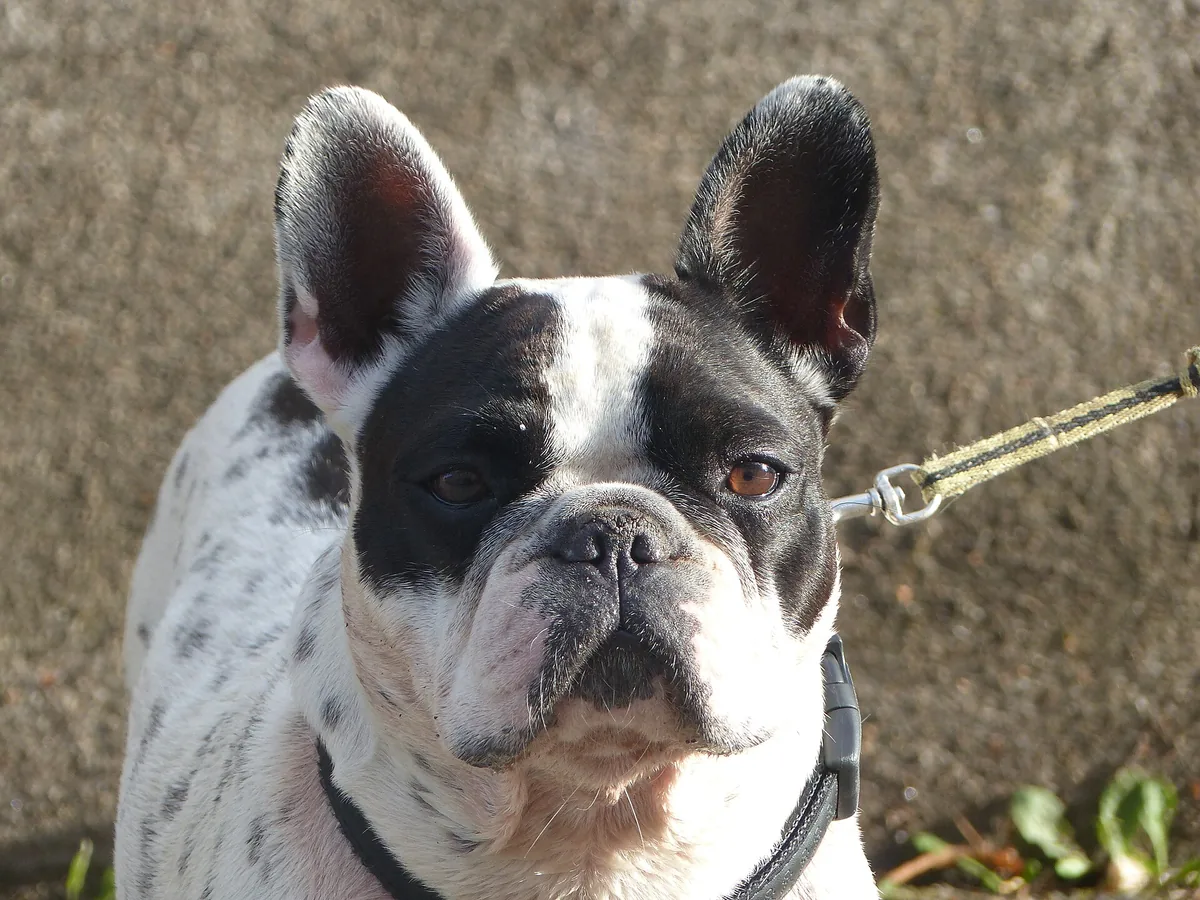
Photo: Tsaag Valren via Wikimedia Commons, CC BY-SA 4.0
🐾 Getting ready for a puppy? Try the interactive French Bulldog puppy checklist — free, no email required.
French Bulldogs wear a short, smooth coat and soft, loose skin that wrinkles around the head and shoulders. Those folds are part of the look—and a daily hygiene detail. Keeping them clean and dry is maintenance, not a substitute for veterinary care when the skin is inflamed.
What the standard says about coat and skin
The AKC French Bulldog standard calls for a brilliant, short, smooth coat and soft, loose skin, especially at the head and shoulders, forming wrinkles. That anatomy creates warm, low-airflow pockets where moisture and debris can sit.
Why folds need attention
The Merck Veterinary Manual notes that warm, moist areas such as lip, facial and neck folds often have higher bacterial counts and a higher infection risk than drier skin. UFAW lists skin fold infections among significant welfare issues for French Bulldogs. Keeping folds clean and dry is everyday hygiene—not a substitute for veterinary care when the skin is inflamed.
This is hygiene. It is not a diagnosis of “allergies” or a license to medicate without a vet.
A gentle everyday routine
Ask your veterinarian to demonstrate on your dog:
- Soften debris with a vet-approved wipe or damp soft cloth.
- Wipe the fold gently—do not scrub raw skin.
- Dry thoroughly so moisture is not left behind.
- Check ears, facial roll, tail pocket (if present) and any other creases.
Stop and call the clinic if the skin cracks, bleeds, smells strongly or if your dog cries when touched.
Short-coat care and nails
A short coat still sheds and still benefits from a soft brush or rubber curry to lift dead hair and check the skin underneath. Keep nails short enough that feet sit flat; long nails change gait on a heavy-fronted dog. Bat ears need regular peeks for wax, odor or redness—ear problems and itchy skin often travel together (see allergies and itchy skin).
When redness means “see the vet”
VCA’s pyoderma overview describes bacterial skin infection that can follow irritation, allergies or other underlying problems. Fold infections can look like simple dirt until they hurt. Schedule a visit for:
- Persistent odor, discharge or greasy film
- Spreading redness, scabs or hair loss
- Scratching, rubbing the face or scooting from discomfort
- Relapses right after you clean
Your vet may need to treat infection and look for an underlying cause. Do not use leftover human antibiotics or steroid creams.
Breathing still comes first
While you are face-to-face wiping folds, notice breathing effort at rest. Noisy or distressed breathing belongs in a BOAS conversation with your veterinarian, separate from skin care.
Clean folds, short nails and a quick weekly skin check keep many Frenchies more comfortable—and help you spot problems early enough for an ordinary appointment instead of an emergency.
Frequently asked questions
How often should French Bulldog skin folds be cleaned?
Frequency depends on how deep the folds are and how much moisture they collect. Merck notes that warm, moist fold areas carry higher bacterial counts and infection risk; keeping folds clean and dry is a practical hygiene habit. Ask your veterinarian to show a safe routine for your dog rather than following a one-size schedule from the internet.
What does healthy fold skin look like?
Clean, dry fold skin without strong odor, thick discharge or raw redness is the goal. Warm, moist folds are infection-prone (Merck), and UFAW lists skin fold infections among welfare concerns for the breed—so redness, odor or pain means call your vet.
Are human products safe on French Bulldog skin folds?
Do not invent home remedies or borrow human creams without veterinary advice. Products that seem mild on people can sting or be unsafe if licked. Ask your clinic what cleanser, if any, is appropriate.
When is fold odor an emergency?
Sudden severe pain, rapidly spreading redness, fever, lethargy or refusal to eat warrants prompt veterinary care. Mild odor with mild redness still deserves a non-urgent appointment before it becomes a deeper infection.
A quick note: this guide is general information from published sources, written by dog lovers, not a veterinarian. Your own vet knows your dog's history, so check with them before changing food, exercise or treatment.
Sources
Keep reading
BOAS and Breathing Problems in French Bulldogs: What Owners Should Know
What brachycephalic obstructive airway syndrome (BOAS) means for French Bulldogs, signs to watch for, and when to call your veterinarian—based on ACVS and Cambridge research.

French Bulldog Allergies and Itchy Skin: When to Call the Vet
French Bulldog allergies and itchy skin explained with vet-backed signs, food vs environmental patterns, fold care limits and when to call your clinic.